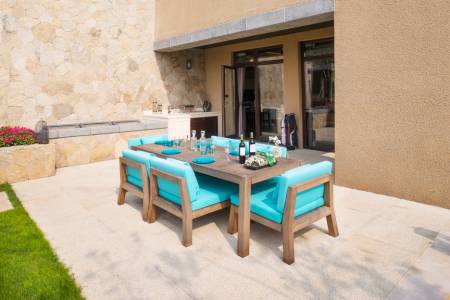
Why Professional Travertine Sealing Makes a Difference for Outdoor Spaces
In Fort Myers, FL, outdoor living is part of daily life. Patios, pool decks, and walkways face year-round sun, summer rain, and occasional salt spray. Travertine looks beautiful in these spaces, but it's a natural stone that's porous and sensitive to weather and spills. That's why many homeowners choose travertine sealing handled by trained pros who understand our climate.
What Travertine Faces in Fort Myers, FL
Travertine is a calcium carbonate stone with open pores that absorb liquids. In coastal Southwest Florida, that means splash-out from the pool, fertilizer overspray, and even rust from patio furniture can sink in and leave marks. Afternoon storms from June through September keep surfaces wet, which encourages algae. Dry, bright winters bring strong UV that fades color and accelerates wear.
Neighborhoods like McGregor, Iona, and Gateway see different micro-conditions. Shaded yards near the river might battle mildew more than sun fade. Open pool decks in San Carlos Park feel hotter and can collect more sunscreen drips that stain. Sealing creates a controlled barrier so moisture, oils, and minerals stay on top of the stone instead of inside it.
How Professional Travertine Sealing Works
The goal is simple. Keep stains and moisture out while letting the stone breathe. Pros start with an inspection, focusing on traffic paths, puddle-prone low spots, and joints. Then they select a sealer type that matches how you use the space and how the stone was finished. Penetrating sealers soak below the surface to block absorption. Film-forming sealers create a thin protective layer that can add sheen and help resist abrasion.
Application technique matters. Coverage rates, ambient temperature, and humidity affect how fast a sealer flashes off or cures. A rushed job can trap moisture, leave roller lines, or cause haze. When a trained team handles the process, the result is even coverage, a consistent finish, and reliable protection that lasts.
Benefits You Can See and Feel
Think of sealing as sunscreen and a raincoat for your stone. You'll notice small but meaningful improvements that add up over time:
- Spills sit on top longer, so they're easier to wipe before they mark the stone.
- Color looks richer because pores are filled and light reflects more evenly.
- Algae and mildew have a tougher time taking hold in damp seasons.
- Joint sand is more stable on paver systems when paired with compatible sealants.
Beyond looks, sealed surfaces often feel smoother under bare feet because light texture is preserved rather than eroded by constant wet-dry cycles. Around pools, professionals can include a slip-resistant additive designed for wet areas without making the deck feel gritty.
When to Reseal Your Travertine
Sealer performance fades with sun, rain, and use. In Fort Myers, that cycle runs quicker because of UV and heavy summer showers. A quick water-drop test shows if the surface still repels moisture. If the bead flattens or darkens quickly, it's time to refresh. Most homes benefit from a maintenance schedule timed around the rainy season, so the stone is protected before daily storms return.
- Color looks dull even after cleaning.
- Water no longer beads and soaks in within seconds.
- Grease or sunscreen stains appear more often.
- Joint sand washes out faster than expected.
Sealing is not just about shine; it's a protective step that prevents small issues from turning into deep stains or premature surface wear.
Local tip: In Lee County, plan sealing before the June rain pattern sets in. Cooler mornings help the product cure evenly, and your patio will be ready for summer gatherings without constant spot-cleaning.
Sealers and Finishes for Southwest Florida Homes
There isn't a one-size-fits-all sealer. The right choice depends on the travertine finish, how much sun the area gets, and whether the surface sits near saltwater. Here's a simple way to think about options:
Penetrating, natural look. Great for homeowners who love the matte, organic character of travertine. These products soak into the pores and help resist water and oil. They tend to highlight natural color without adding noticeable gloss.
Enhancing, low sheen. If your stone looks a bit washed out, an enhancing sealer can deepen tones so the beige, gold, or silver hues pop. The finish is subtle, not shiny, but it reads as richer and cleaner.
Film-forming, satin to gloss. On high-traffic patios or entertainment spaces, a thin topical layer can add abrasion resistance and a dressed finish. It can also help lock joint sand in place between travertine pavers when paired with compatible systems.
Talk with a local expert about pool decks versus covered lanais. Surfaces that get hot sun at noon behave very differently from shaded areas that stay damp. Products with strong resistance to UV and salt are usually the best pick for open-air decks in Fort Myers Beach and riverfront homes.
Why Pros Beat DIY Every Time
Sealing sounds simple until you account for surface prep, product choice, and Florida weather. Moisture trapped under a topical sealer can turn white or hazy. Over-application leaves streaks that are hard to reverse. Under-application means spotty protection in the places you need it most, like the drip lines along pool edges and the grill area.
Professional crews stage the project so every square foot cures under the best possible conditions. They check drainage, adjust for shade and wind, and apply clean, even coats. They also understand how different travertine finishes absorb product, so porch steps, coping, and decking all end up consistent.
Never apply sealer in extreme mid-day heat or when the stone is already hot to the touch, since flash-off can leave uneven film and reduce protection. A local team will schedule carefully and return for a post-cure check to ensure your finish looks right after a full day in our sun.
Cleaning Before Sealing Matters
Sealer locks in whatever's on the surface. That's why thorough cleaning is a must. Professionals lift organic stains from leaves and mulch, rinse away fine dust that can cloud the finish, and neutralize residues. On paver systems, joints are checked and leveled so the final look is uniform top to bottom.
If the stone needs extra attention after a season of parties and pool time, a trained team will choose the right cleaner for travertine's chemistry. Acidic products that work on other materials can etch this stone. Safe methods protect the surface while still getting it truly ready for protection.
Protection You Can Plan Around
Homeowners in Fort Myers like predictability. With a good maintenance plan, resealing happens before heavy summer use and again when needed based on traffic and exposure. You'll spend less time scrubbing stains and more time enjoying the space. It is also easier to keep sand in place and control weeds in the joints when your system is sealed, cleaned, and inspected on a steady schedule.
For many homes, pairing routine cleaning with sealing keeps the surface looking fresh from McGregor to Gateway. It's a simple rhythm that protects your investment without constant upkeep.
How Sealing Enhances Daily Living
Travertine looks its best when the surface is even and free of blotchy spots. Sealing helps ensure spills from a cookout, pool party, or holiday gathering don't leave ghost marks. It also supports a consistent feel underfoot, which matters when kids and guests move from the shallow end to the patio with wet feet.
When you want your stone to be an inviting backdrop rather than a chore list, sealing is the quiet upgrade that delivers. Your cushions, planters, and outdoor kitchen stand out. The stone simply looks clean and stays that way with light maintenance.
A Local Approach With The Right Team
Travertine in Fort Myers deserves a team that knows coastal weather and patio lifestyles. Palms Paver Sealing, LLC serves homeowners who want reliable protection without guesswork. As a category leader in paver sealing, our crews match products to real-world conditions on your property, from open pool decks that bake by noon to covered lanais with morning dew.
Schedule professional travertine sealing with a trusted local crew so your patio is ready for sun, storms, and weekend guests. We'll walk the space with you, note traffic patterns, and recommend the finish that fits your style and maintenance goals.
What To Expect During Service Day
Expect a tidy, step-by-step process. The crew will protect nearby landscaping, stage equipment away from pool water, and block off entry points so pets and kids stay clear. They'll clean thoroughly, allow proper dry time, confirm conditions, and apply the chosen sealer in even passes. Finally, they'll set a safe foot-traffic window and give you simple care notes that fit your routine.
Most homeowners plan the work for a day with clear skies in the forecast. The result is a patio that looks refreshed and is easier to live with day to day. You should see water bead up neatly after the first full cure period, which is a satisfying sign that the protection is working.
Care After Sealing
Once sealed, day-to-day care gets easier. Rinse away sand and salt mist during the breezy season and pick up spills from citrus drinks and grill drips as you go. Simple habits help the sealer last, and your follow-up visits can focus on keeping the finish even rather than deep corrective work.
If you want your travertine to look its best year-round, plan ahead and treat sealing as part of your regular outdoor care, not a one-time fix. That mindset saves time and keeps your space ready for last-minute gatherings.
Get Lasting Results for Your Home
Your outdoor spaces should feel like an easy extension of your home. With the right protection, travertine does exactly that. If you're in Fort Myers or nearby communities, a quick conversation with a local pro can help you choose the right finish and schedule.
Ready to protect your stone the right way? Connect with Palms Paver Sealing, LLC for professional travertine sealing and schedule at 239-313-3374.

Bring Back the Color and Protect the Finish
Get a Free Paver Sealing Estimate Today!